
Project Conceptualization and Design
Project conceptualization & Design
Project conceptualization and design in the context of bioCNG (biomethane-based Compressed Natural Gas) production involves a series of steps aimed at converting organic waste materials into renewable energy. The goal is to design a system that efficiently produces bioCNG, which can be used as a clean alternative to conventional natural gas for transportation, heating, and electricity generation. This process focuses on leveraging waste from agriculture, food, and other organic matter to produce methane through anaerobic digestion.
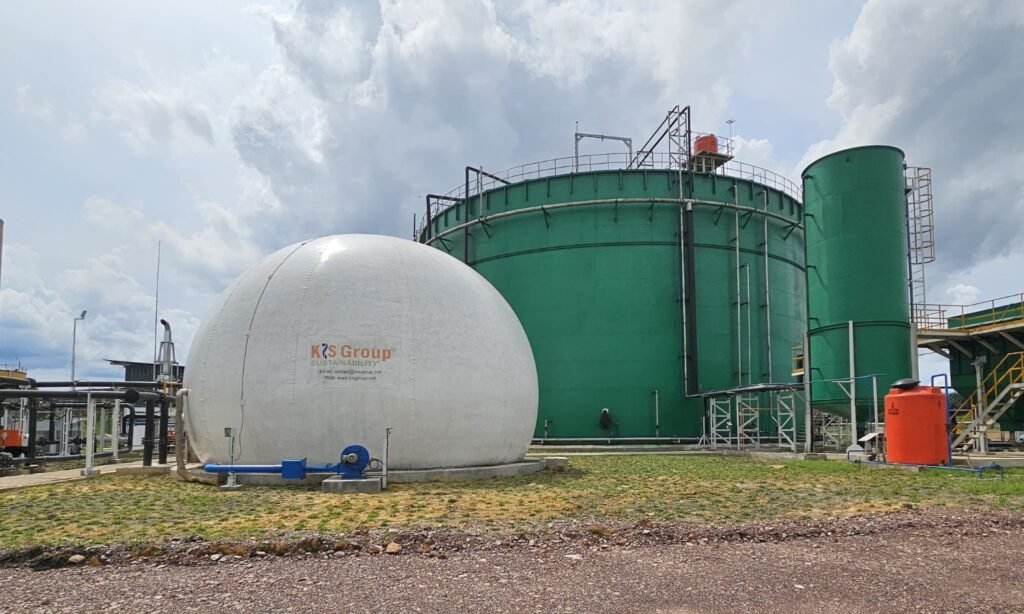

Containerized Biogas Plants
Here’s a structured approach to conceptualizing and designing a bioCNG project:
1. Initial Feasibility Study involves
- Availability of feedstock, Economic viability: Evaluate the cost-effectiveness of
- Regulatory compliance: Ensure compliance with environmental regulations, local laws, and policies related to waste management, energy production, and emissions.
- Market demand: Assess the demand for bioCNG in local or regional markets for transportation or industrial use.
2. Designing the BioCNG Production System
The design of a bioCNG plant typically follows these key stages:
a. Feedstock Collection & Preprocessing
- Feedstock Type: Depending on the chosen feedstock (e.g., food waste, agricultural residues, manure), consider how the materials will be collected, transported, and prepared for anaerobic digestion. Preprocessing may involve shredding, grinding, or drying the feedstock to enhance the efficiency of digestion.
- Feedstock Storage: Ensure proper storage systems (e.g., silos or bunkers) to maintain the quality of the feedstock until it is ready for use in the biogas plant.
b. Anaerobic Digestion Unit
- Digester Design: Anaerobic digesters are used to break down the organic waste in the absence of oxygen, producing biogas (mainly methane and CO₂). The digester can be a continuous-flowor batch-type system, depending on the scale and process needs.
- Biogas Production: During digestion, the feedstock is converted by microorganisms into biogas. The design must account for the volume of biogas that will be produced, as well as the appropriate retention time for digestion.
- Temperature Control: Digesters may be designed for mesophilic(30–40°C) or thermophilic (50–60°C) conditions, with the latter producing faster results but requiring more energy to maintain the necessary temperature.
c. Biogas Cleaning & Upgrading
- Gas Purification: The biogas produced contains impurities such as water vapor, hydrogen sulfide (H₂S), ammonia, and carbon dioxide (CO₂). A biogas upgrading system is required to clean and refine the gas into bioCNG. The common methods of upgrading include:
- Water Scrubbing: Absorbing CO₂ and other contaminants in water.
- Pressure Swing Adsorption (PSA): Separating methane from CO₂ using adsorbents.
Membrane Separation: Filtering methane from CO₂ through selective membranes. - Desulfurization: Hydrogen sulfide (H₂S) is removed to prevent corrosion in the final bioCNG product and the equipment.
d. Compression of Methane (bioCNG)
- Compression: Once purified, the methane (bioCNG) is compressed to a pressure of around 200-250 bar for storage and transportation. Compressors are essential in this step.
- Storage: The compressed bioCNG is stored in high-pressure tanks, ready for use. These tanks must be designed to handle high pressures safely.
3. Infrastructure Design
- Site Location: Choose an optimal site for the bioCNG plant that’s close to feedstock sources, access to transportation, and necessary utilities (water, electricity, etc.).
- Wastewater Treatment: The digestion process generates wastewater, which may need further treatment before discharge. The design of a wastewater treatment facility is essential.
- Energy Recovery: Utilize excess heat or energy produced from the anaerobic digestion process for other operations in the plant, making the system more efficient.